
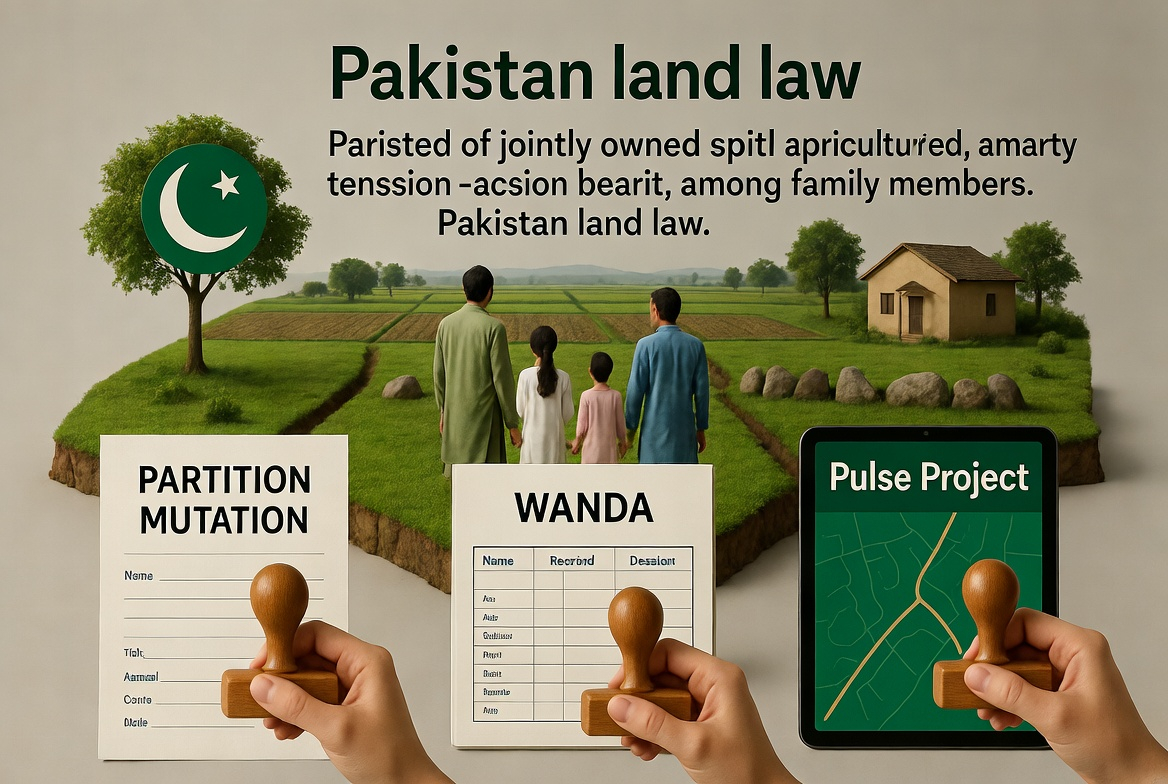

Partition of joint land is one of the most sensitive and misunderstood aspects of property ownership in Pakistan. Families often live for decades on jointly owned land, assuming informal boundaries are enough. Problems arise when land is sold, mortgaged, or inherited,and suddenly, nothing is legally clear. This is where Partition Mutation, Wanda, and the Pulse Project become critically important.
This guide explains partition mutation in a clear, practical, and dispute-preventive way, helping families, farmers, and co-owners secure their land legally and peacefully.
What Is Partition Mutation?
Partition mutation is the official land-revenue process through which joint property is legally divided and each co-owner’s separate share is recorded in government records. It converts shared ownership into clearly defined individual holdings.
Unlike verbal or family-based divisions, partition mutation gives legal identity to each share, making it enforceable and transferable.
Key outcomes of partition mutation include:
- Separate ownership entries for each co-owner
- Clearly defined boundaries and khasra allocations
- Elimination of joint liability and confusion
- Legal recognition of possession and control
Without this mutation, land may be “divided in practice” but still joint in law, which creates future risk.
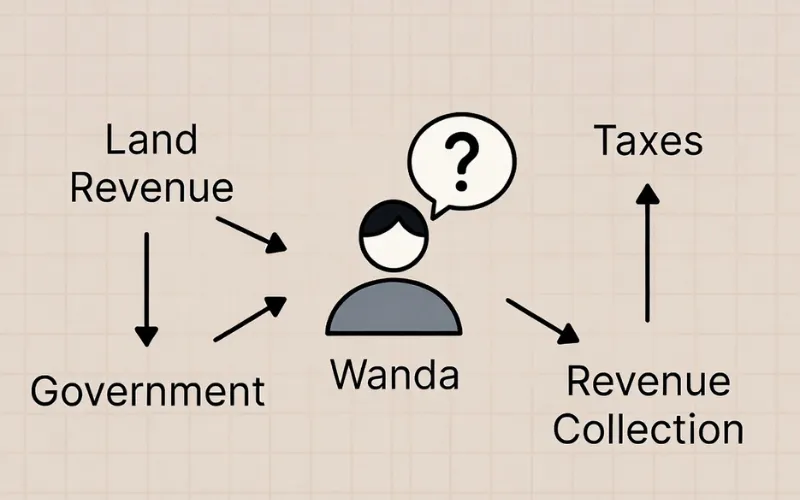
Understanding Wanda in Land Revenue System
To understand partition mutation properly, it is essential to understand Wanda, a foundational concept in land revenue records.
Wanda refers to a specific share or portion of joint land held by an individual co-owner, calculated according to ownership fraction and area. Wanda is not about fences,it is about legal proportion.
In practical terms:
- Wanda defines how much land a person owns
- Partition defines which exact land that person gets
- Mutation records this division officially
Many disputes occur when people confuse physical possession with Wanda rights.
Why Partition Mutation Is Necessary
Partition mutation is not just paperwork,it is legal protection. Joint land without partition remains vulnerable to conflict, fraud, and blockage in transactions.
Partition mutation becomes necessary because:
- Joint owners cannot independently sell or mortgage land
- Banks refuse loans on undivided property
- Heirs face complications during inheritance
- Informal divisions are not legally enforceable
What feels peaceful today can become contested tomorrow if records are not updated.
Partition Mutation vs Ownership Mutation
Many people mistakenly assume partition mutation and ownership mutation are the same. They serve different purposes in land records.
Ownership mutation:
- Changes ownership due to sale, inheritance, or gift
- Transfers title from one person to another
Partition mutation:
- Divides existing ownership among co-owners
- Does not introduce new owners
- Clarifies boundaries and individual control
Partition mutation is about division, not transfer.
Role of the Pulse Project in Partition Mutation
The Pulse Project modernized Pakistan’s land records system, significantly improving transparency in partition cases.
Before Pulse:
- Manual records caused delays
- Boundary disputes were common
- Patwari discretion was high
After Pulse:
- Digital records reduce manipulation
- Wanda calculations are clearer
- Khasra mapping is more accurate
However, digitization does not eliminate the need for legal understanding,it only improves recordkeeping.
Step-by-Step Partition Mutation Process
Partition mutation follows a structured revenue process designed to protect all stakeholders.
The general process includes:
- Application submission by co-owners
- Verification of joint ownership
- Wanda calculation for each party
- Physical demarcation of land
- Mutation entry and approval
Each step exists to ensure fairness and prevent later disputes.
Application for Partition Mutation
The process begins when one or more co-owners formally apply for partition through the land revenue office.
Important aspects of application include:
- Consent of co-owners (in uncontested cases)
- Identification of joint khasras
- Declaration of shares
Unilateral applications are possible, but they usually trigger objections and hearings.
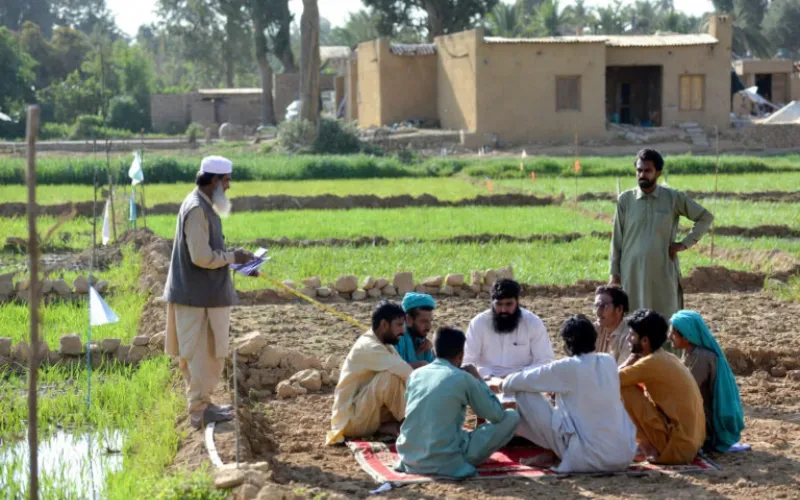
Physical Demarcation and Boundary Fixation
Partition is not complete until land is physically demarcated according to Wanda shares.
This stage involves:
- Measurement by revenue staff
- Allocation of specific khasra numbers
- Preparation of site plans
- On-ground boundary marking
Demarcation ensures that legal records match physical reality.
Documents Required for Partition Mutation
Incomplete documentation is a major cause of delay. Preparing documents early ensures smooth processing.
Commonly required documents include:
- CNIC copies of all co-owners
- Latest Jamabandi / Fard
- Family tree (for inherited land)
- Site plan or sketch
- Written consent or objection statements
For agricultural land, cultivation records may also be required.
Partition Mutation in Rural Areas
In rural Pakistan, partition mutation has unique social and administrative dynamics.
Key rural considerations include:
- Strong role of Patwari and Qanungo
- Family-based negotiations before application
- Greater reliance on physical demarcation
Because land is often agricultural, mistakes can affect livelihoods directly.
Partition Mutation in Urban Areas
Urban partition mutation tends to be more documentation-driven and less agricultural in nature.
Urban features include:
- Smaller plots
- Easier digital mapping
- Faster approvals
- Fewer cultivation disputes
However, building structures and access paths often complicate urban partitions.
Contested vs Uncontested Partition
Not all partition mutations are peaceful. The process differs significantly based on consent.
Uncontested partition:
- All co-owners agree
- Faster processing
- Minimal hearings
Contested partition:
- Objections filed
- Revenue hearings conducted
- Longer timelines
- Possible court involvement
Understanding this distinction helps manage expectations.
Common Mistakes During Partition Mutation
Most partition-related disputes do not arise because the law is unclear, but because people misunderstand how land records actually work. Families often rely on tradition, assumptions, or informal arrangements, believing these will hold legal value later. Unfortunately, land revenue systems recognize records, not intentions.
One of the biggest mistakes is assuming that mutual family understanding is enough. While verbal agreements may work temporarily, they offer no protection during sale, mortgage, inheritance, or court proceedings.
Frequent mistakes include:
- Relying on verbal family division, assuming trust will replace documentation
- Ignoring Wanda calculations, leading to unequal or disputed land allocation
- Skipping official demarcation, which creates boundary confusion later
- Not updating digital records, especially under the Pulse Project system
- Delaying mutation for years, allowing disputes to grow with time
These mistakes usually surface at the worst possible moments,when land is being sold, mortgaged, or transferred after death,making correction legally complex, emotionally draining, and financially costly.
Partition Mutation and Family Disputes
Partition mutation plays a crucial role in preventing long-term family conflict by converting emotional understandings into legally defined boundaries. When land remains jointly recorded, disagreements often arise over possession, cultivation, construction, or sale rights.
Many disputes begin small but escalate because there is no official clarity. Over time, mistrust grows, and family relationships deteriorate,often irreversibly.
A properly executed partition:
- Clarifies ownership boundaries, leaving no room for interpretation
- Reduces emotional disputes, as rights are documented, not debated
- Prevents unauthorized possession, where one member uses more than their share
- Protects future generations, who inherit clarity instead of conflict
Many families later regret not completing partition mutation early, realizing too late that unresolved land issues damage relationships more deeply than any legal battle.
Impact of Partition Mutation on Sale and Mortgage
Partition mutation directly affects a person’s ability to deal with property independently and confidently. Without partition, even rightful owners remain legally restricted in how they use their share.
When land is partitioned and mutation is completed, each owner gains full transactional freedom over their portion.
After partition mutation:
- Each owner can sell their share independently, without joint consent
- Banks accept land as collateral, as ownership and boundaries are clear
- Property valuation becomes easier, since individual plots are identifiable
Without partition mutation, joint ownership forces all co-owners to agree on every transaction. This not only delays deals but also discourages buyers and banks, who prefer legally clean and dispute-free property records.
Partition Mutation After Inheritance
Inherited property is the most common situation where partition mutation becomes unavoidable. After the death of an owner, heirs often continue using land jointly without realizing that legal clarity is missing.
Initially, this may work,but problems emerge when one heir wants to sell, build, or mortgage their share.
In inheritance cases:
- Ownership mutation happens first, transferring title to heirs
- Wanda shares are calculated, according to inheritance proportions
- Partition mutation follows, assigning physical land to each heir
Skipping partition after inheritance often leads to sibling disputes years later, especially when second generations become involved. What starts as a family matter often ends up in prolonged litigation simply due to lack of timely partition.
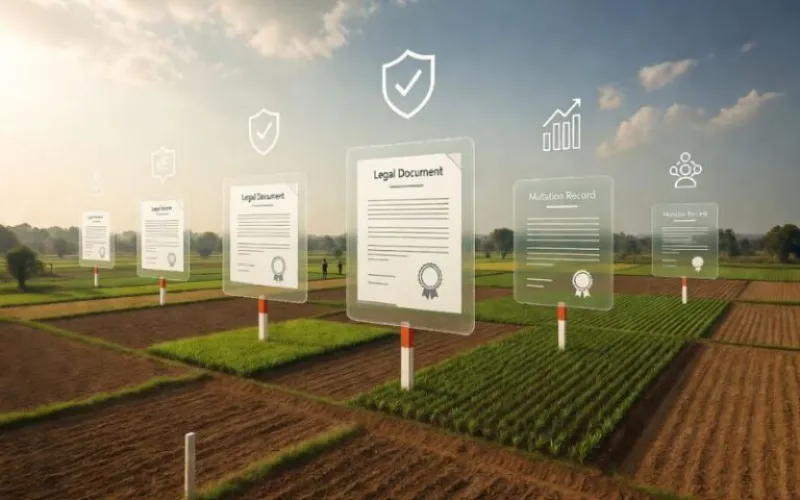
How Partition Mutation Builds Legal Security
Partition mutation is often misunderstood as a step that “divides families,” but in reality, it secures rights and preserves harmony. Legal clarity reduces fear, suspicion, and conflict.
When land records accurately reflect reality, owners feel confident and protected.
Partition mutation provides:
- Clear legal identity for each owner’s land
- Protection against encroachment, whether intentional or accidental
- Transparency for buyers and banks, increasing trust and value
- Peace of mind for owners, knowing their rights are documented
Strong land records reduce conflict, litigation, and financial risk, making partition mutation a long-term investment in stability.
Practical Tips for Smooth Partition Mutation
Based on real partition cases across Pakistan, a few practical steps can significantly reduce delays, confusion, and disputes. Active involvement is far more effective than relying solely on officials or family assurances.
Taking ownership of the process early prevents misunderstandings later.
Helpful tips:
- Resolve family consensus early, before filing the application
- Verify records before applying, especially Jamabandi and Wanda shares
- Attend demarcation personally, to ensure accurate boundary marking
- Keep copies of all proceedings, including sketches and approvals
- Update digital records promptly, under the Pulse Project system
Partition mutation is not a one-day task,it is a process. Staying engaged at every stage ensures the final record truly reflects fairness and reality.
Frequently Asked Questions (FAQs)
Partition mutation often raises practical questions, especially for families dealing with joint or inherited land for the first time. These answers address the most common concerns based on real land-revenue practice in Pakistan.
Is partition mutation compulsory? Partition mutation is not legally mandatory in every situation, but it is essential for clarity, independence, and long-term protection of ownership rights. Without it, land remains legally joint, regardless of informal division.
Can one co-owner apply for partition mutation alone? Yes, a single co-owner can initiate the process. However, other co-owners have the legal right to file objections, which may delay the mutation and require hearings before revenue authorities.
Does partition mutation affect inheritance rights? No. Partition mutation does not change inheritance shares. It only converts existing joint ownership into clearly defined individual portions based on already established rights.
Final Thoughts: Why Partition Mutation Matters Today
Partition mutation, supported by Wanda logic and the Pulse Project, is one of the most powerful tools for protecting land rights in Pakistan. It transforms informal arrangements into legally enforceable reality.
Property is not just land,it is family security, livelihood, and legacy. Proper partition mutation ensures that this legacy remains clear, fair, and dispute-free for generations to come.
