
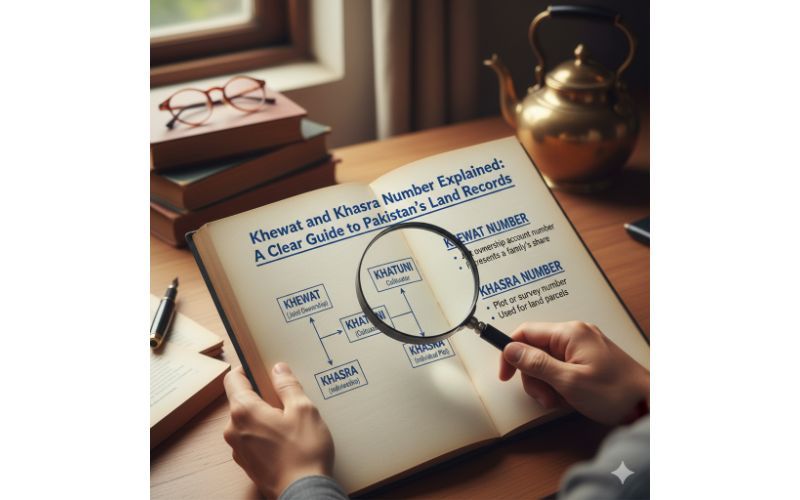
If you have ever tried to buy, sell, inherit, or verify land in Pakistan, you have almost certainly come across two confusing terms: khewat number and khasra number. For many people, these numbers look technical, intimidating, and interchangeable,yet they serve very different legal purposes.
This guide provides a complete and practical explanation of khewat and khasra number explained in simple language. By the end, you will understand what each number means, how they work together, why they matter in property dealings, and how they protect you from disputes and fraud.
Understanding Pakistan’s Land Record System (Why These Numbers Exist)
Before diving into individual definitions, it helps to understand the system behind them. Pakistan’s land record framework is largely inherited from the colonial revenue system and is still managed by provincial Boards of Revenue.
The system is designed to answer three key questions:
- Who owns the land?
- Where exactly is the land located?
- How much land is involved and how is it shared?
To answer these questions clearly, different identification numbers were created. Among the most important are khewat numbers (ownership-based) and khasra numbers (location-based). Confusion arises when people expect one number to explain everything,which it never does.
What Is a Khewat Number?
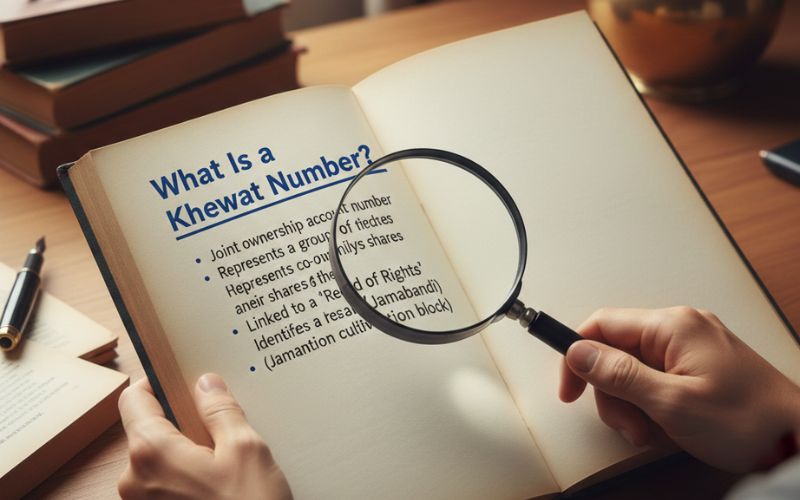
A khewat number is primarily an ownership identifier. It records who owns the land and in what share.
In simple terms, the khewat number groups landowners together under a single ownership account in the revenue record. If land is jointly owned by multiple people, they will usually share the same khewat number.
A khewat number tells you:
- Names of owners
- Ownership shares (for example, 1/2, 1/4, etc.)
- Whether ownership is individual or joint
- Family or inheritance-based ownership structure
Because of this, the khewat number is especially important in inheritance cases, family land disputes, and ownership verification.
Why Khewat Numbers Matter in Real Life
Many people assume that possession equals ownership, but legally, ownership is determined by khewat, not physical control.
Khewat numbers are crucial because they:
- Establish legal ownership
- Determine who has the right to sell or transfer land
- Reveal joint ownership that may limit individual selling rights
- Help courts decide ownership disputes
If you buy land without checking the khewat, you risk purchasing from someone who does not legally own the entire share they are selling.
What Is a Khasra Number?
A khasra number identifies the exact physical location of land. It is essentially a plot or parcel number assigned to a specific piece of land on the village or area map.
While khewat answers who owns the land, the khasra number answers:
- Where the land is located
- Which parcel of land it is
- How it is measured and bounded
Each khasra number corresponds to a specific piece of land on official revenue maps (Latha or Shajra maps). Even if ownership changes, the khasra number usually remains the same.
Why Khasra Numbers Are Practically Important
Khasra numbers are critical because disputes often arise over location, not ownership.
Khasra numbers help:
- Identify exact land boundaries
- Prevent encroachment disputes
- Verify that land shown on-site matches official records
- Confirm access roads, canals, or shared paths
If someone shows you land on the ground but the khasra number does not match the documents, it is a major red flag.
Khewat vs Khasra Number: Key Differences Explained
Understanding the difference between the two is essential for safe property dealings. They are not alternatives; they are complementary.
Here is the simplest way to understand their roles:
- Khewat number = ownership
- Khasra number = location
To make this clearer, consider the following distinctions:
- One khewat can include multiple khasra numbers
- One khasra usually belongs to one khewat, but ownership shares may vary
- Khewat changes with inheritance or sale
- Khasra usually remains fixed unless land is officially subdivided
Checking only one and ignoring the other is one of the most common and costly mistakes buyers make.
How Khewat and Khasra Appear in Jamabandi
Both khewat and khasra numbers are recorded in a key land document known as Jamabandi, which is the official record of rights.
A Jamabandi entry typically includes:
- Khewat number (ownership group)
- Names of owners and their shares
- Khasra numbers linked to that khewat
- Land area and type (agricultural, banjar, etc.)
- Cultivator or possession details
Jamabandi is updated periodically, and it is the most important document for verifying land records at the revenue level.
Why Buyers Must Check Both Numbers Before Purchase
Many land disputes happen not because records were unavailable, but because buyers did not understand them.
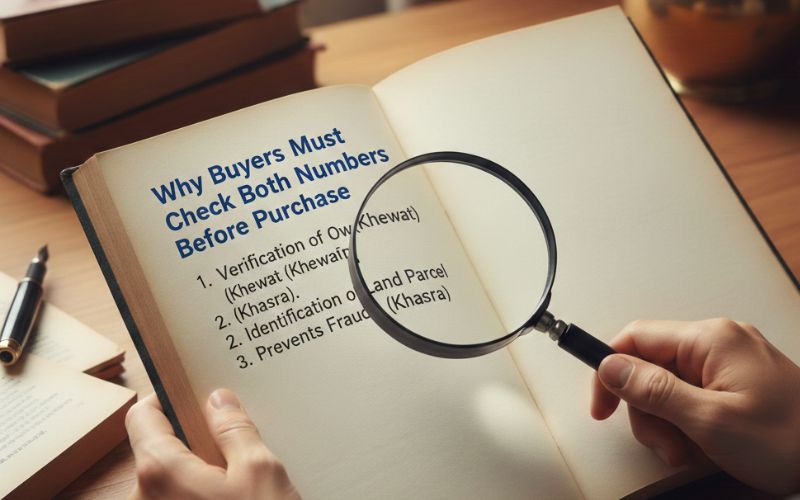
Before purchasing land, buyers should always verify:
- That the seller’s name appears in the khewat
- That the seller owns the full share being sold
- That the khasra number matches the physical land
- That no extra khasra is being shown unofficially
Skipping these checks can result in partial ownership, boundary disputes, or even complete loss of investment.
Common Mistakes People Make with Khewat and Khasra
Lack of awareness leads to repeated errors in property transactions.
Some common mistakes include:
- Assuming khasra number proves ownership
- Buying land from one co-owner without consent of others
- Ignoring inheritance-based khewat divisions
- Trusting verbal assurances instead of Jamabandi
- Not matching on-ground location with khasra map
These mistakes are avoidable with basic understanding and proper verification.
Practical Scenarios to Understand Better
Let’s look at real-life situations where confusion commonly arises.
- Scenario 1: A buyer purchases land after seeing possession but does not check khewat. Later, it turns out the seller owned only a 1/5 share. The buyer now faces legal disputes with remaining co-owners.
- Scenario 2: In another case, a farmer inherits land under one khewat but sells land from the wrong khasra. The buyer ends up owning land on paper that does not match the actual field.
These scenarios show why both numbers must be verified together.
How to Find Your Khewat and Khasra Number
Finding these numbers is easier today than it was in the past, thanks to digitization in many provinces.
You can usually find them through:
- Local Patwari office
- Tehsil land record center
- Provincial online land record portals
- Certified copies of Jamabandi
Always cross-check online records with physical maps when large investments are involved.
Role of Patwari and Revenue Offices
The Patwari plays a key role in maintaining land records, including khewat and khasra details. However, their records must align with official revenue data.
Patwari responsibilities include:
- Updating ownership after mutation
- Maintaining village maps
- Recording cultivation details
Despite this role, buyers should not rely solely on verbal confirmation and must obtain written records.
Khewat, Khasra, and Mutation: How They Connect
Mutation is the process through which ownership changes are officially recorded. Mutation affects the khewat, not the khasra.
When mutation occurs:
- Khewat number may change or split
- Ownership shares are updated
- Khasra numbers usually remain unchanged
This is why checking post-mutation Jamabandi is critical after purchase or inheritance.
Why Understanding These Numbers Builds Confidence
Many people fear land transactions because they feel dependent on middlemen. Understanding khewat and khasra numbers changes that.
This knowledge helps you:
- Ask the right questions
- Identify inconsistencies early
- Avoid emotional or rushed decisions
- Protect family assets across generations
Confidence comes from clarity, not shortcuts.
While basic understanding helps, professional assistance is essential when:
- Land involves multiple khewats
- Inheritance disputes exist
- Large agricultural areas are involved
- Conversion or development is planned
Land lawyers and revenue consultants can interpret records more deeply and identify hidden risks.
Final Thoughts: Why Khewat and Khasra Number Explained Matters
Understanding khewat and khasra number explained is not just about learning definitions,it is about protecting your money, rights, and peace of mind.
To summarize clearly:
- Khewat shows who owns the land
- Khasra shows where the land is
- Both must match for a safe transaction
- Jamabandi connects them legally
- Ignorance leads to disputes; awareness prevents them
Whether you are a buyer, seller, heir, or investor, mastering these basics empowers you to navigate Pakistan’s land system with confidence instead of confusion.

Leave a Reply