
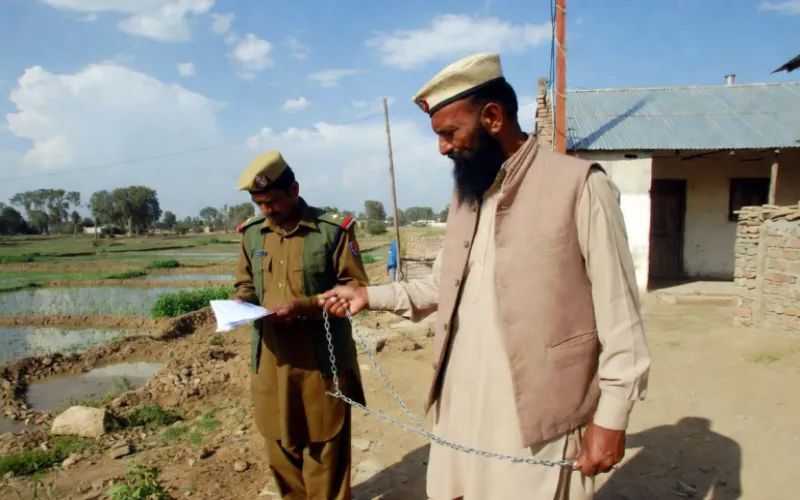

The Patwari system is a cornerstone of Pakistan’s land revenue administration. Patwaris and Naib Patwaris are responsible for maintaining accurate land records, assisting in revenue collection, and supporting administrative and legal processes at the local level. Their appointment and defined roles ensure efficiency, transparency, and accountability in land management.
Legal Basis for Appointment of Patwaris
The appointment of Patwaris is grounded in land revenue laws and government regulations, ensuring that only qualified individuals are entrusted with maintaining official land records. This legal foundation establishes their authority, responsibilities, and accountability within the revenue administration system.
Reference to Land Record Circular
The appointment of Patwaris is governed by Land Record Circular No. 6/89, Notification No. 18 dated 1989. This circular provides the administrative framework for recruitment, posting, and service conditions of Patwaris within the land revenue system.
Residency and Eligibility Criteria
Patwaris are generally required to reside within or near their assigned jurisdiction to ensure accessibility, timely field visits, and effective public service. Eligibility criteria typically include educational qualifications, local knowledge, and familiarity with land revenue procedures.
Appointment from Nearby Areas
As a general rule, a Patwari should be appointed from residents of the same Tehsil or nearby areas. Local residency helps ensure familiarity with:
- Village boundaries
- Local landholding patterns
- Social and agricultural conditions
This local knowledge is crucial for accurate maintenance of Jamabandi records and proper identification of land parcels during field inspections. When Patwaris understand local customs, family structures, and traditional land use patterns, they can better prevent errors in mutation entries and ownership documentation.
Restrictions to Avoid Conflict of Interest
A candidate must not be appointed as a Patwari in an area where:
- His close relatives reside
- He owns agricultural or non-agricultural land
- He is engaged in business activities
These restrictions are designed to maintain impartiality and prevent situations where personal interests could influence official decisions. For example, a Patwari with land in his jurisdiction might face pressure from family members regarding boundary disputes or inheritance mutations, compromising the integrity of land records.
If, during service, such conditions arise due to personal or family circumstances, the Patwari must be transferred to another circle to maintain administrative neutrality.

Role of the Naib Patwari
The Naib Patwari assists the Patwari in maintaining land records, conducting field inspections, and supporting revenue collection, ensuring smooth functioning of the local land administration system.
Purpose of Appointment
Naib Patwaris are appointed to assist regular Patwaris, especially in:
- Large revenue circles
- Areas with excessive recordkeeping work
Their role is primarily supportive and training-oriented, preparing them for future independent responsibilities. In practice, Naib Patwaris serve as apprentices who gradually develop the skills and knowledge necessary to eventually function as full Patwaris. This system ensures continuity in land administration and creates a pipeline of trained personnel familiar with local land records and revenue procedures.
Duties and Responsibilities of Naib Patwaris
Naib Patwaris play a vital role in supporting the Patwari by ensuring timely updates of land records, assisting in field inspections, and helping manage administrative tasks efficiently. They act as a bridge between the Patwari and the public, ensuring that citizens’ requests for land information and certified documents are handled promptly. Their contribution is especially important in maintaining the accuracy and reliability of official records, which form the basis for revenue collection and legal proceedings.
1. Assistance in High-Workload Circles
Naib Patwaris are posted in circles where the volume of work is high. Their responsibilities include:
- Assisting in maintenance of land records
- Supporting routine revenue documentation
- Helping ensure timely completion of official tasks
In areas with extensive agricultural activity or frequent property transactions, a single Patwari may struggle to maintain accurate records for all land parcels. Naib Patwaris help manage this workload by conducting preliminary fieldwork, collecting data during Khasra Girdawari inspections, and preparing draft entries for the supervising Patwari’s review.
They do not hold independent responsibility for record ownership or final entries. Accountability remains with the appointed Patwari.
2. Training and Practical Experience
Naib Patwaris who are not permanently attached to any particular circle should be rotated through different assignments so they can:
- Gain hands-on experience
- Understand revenue procedures
- Become capable of handling Patwari duties independently
This rotation system exposes them to various types of land records, different agricultural patterns, and diverse local conditions. By working under experienced Patwaris in multiple circles, Naib Patwaris learn to handle complex situations such as disputed land cases, family partition requests, and correction of historical record errors.
They may be assigned to assist Patwaris or support Girdawar-related work where additional manpower is required.
3. Acting as Substitute Patwari
When a Naib Patwari temporarily replaces a Patwari:
- His attendance is counted as official Patwari service
- The period served is treated as valid professional experience
- Salary is paid according to the relevant Tehsil pay scale
Tehsildars are authorized to make such temporary appointments, subject to the following conditions:
- The appointment does not exceed three months
- A performance report is submitted through the Deputy Commissioner
This provision ensures that land record work continues without interruption when regular Patwaris are on leave, deputed elsewhere, or during vacancies. The three-month limit prevents prolonged unofficial arrangements and ensures proper administrative oversight through formal reporting mechanisms.
4. Office-Based Administrative Duties
Naib Patwaris may also be posted in Tehsil offices to assist the Qanungo branch, particularly in:
- Preparation of salary bills
- Travel allowance (TA) bills
- Contingent expenditure bills
- General administrative and record-related work
This exposure helps them understand the financial and administrative side of land revenue management. Working in the Tehsil office gives Naib Patwaris insight into how field data is processed at higher levels, how budgets are managed, and how coordination occurs between revenue officers at different administrative tiers. This comprehensive training makes them more effective when they eventually assume independent Patwari responsibilities.
Deputation to Other Departments
Patwaris and Naib Patwaris may be temporarily assigned (deputed) to other government departments to assist in specialized projects or administrative tasks. These deputations are usually for limited periods and require official approval to ensure that their primary duties in land record management are not neglected.
Restrictions on Borrowing Services
As a general policy, Patwaris and Naib Patwaris should not be deputed to other departments.
However, in exceptional cases:
- Their services may be borrowed with formal approval
- Approval must be obtained from the Director General Land Records (West Pakistan)
- Such permission is granted only in special and justified circumstances
These restrictions exist because the primary responsibility of Patwaris is maintaining accurate and up-to-date land records. When they are frequently borrowed by other departments, land record maintenance suffers, leading to delayed mutations, incomplete Girdawari updates, and accumulation of pending cases. The requirement for high-level approval ensures that deputation occurs only when absolutely necessary and does not compromise the core function of the land revenue system.
Administrative Objectives of These Rules
These regulations aim to:
- Ensure transparency in land record management
- Prevent conflicts of interest
- Develop skilled and experienced Patwaris
- Maintain continuity and reliability in land administration
By establishing clear eligibility criteria, structured training through the Naib Patwari system, and restrictions on conflict of interest, these rules create a professional framework that protects both the integrity of land records and the rights of landowners. The emphasis on local knowledge combined with impartiality ensures that Patwaris can effectively serve their communities while maintaining the trust necessary for land administration to function smoothly.

Conclusion
The structured appointment and utilization of Patwaris and Naib Patwaris play a vital role in maintaining the integrity of Pakistan’s land revenue system. By enforcing residency restrictions, regulating temporary appointments, and providing systematic training through Naib Patwari positions, the administration ensures both efficiency and accountability. Proper implementation of these rules strengthens land governance and reduces disputes related to land ownership and records.
The Patwari remains the most visible face of land administration at the village level, and the Naib Patwari system ensures that this crucial position is filled by individuals who are not only technically competent but also understand the social, agricultural, and administrative context in which they operate.