
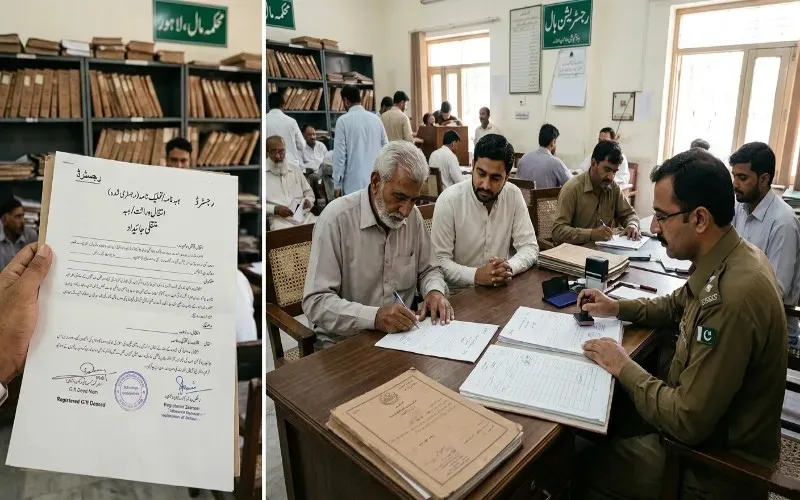

Property transfers within families are deeply rooted in Pakistani culture. Parents often wish to give property to children during their lifetime, spouses transfer assets for security, and elders want to avoid inheritance disputes before they arise. This is where Gift Deed Mutation (Hiba or Tamleek) becomes critically important.
While gifting property may seem simple, the reality is that without proper mutation in land revenue records, a gift has little legal strength. Many family disputes arise not because intentions were wrong, but because documentation and mutation were ignored. This guide explains the concept, legal framework, and practical process of gift deed mutation in Pakistan in a way that is clear, realistic, and usable.
Understanding the Purpose of Gift Deed Mutation
Before discussing procedures, it is important to understand why mutation exists at all. Mutation is the process through which the government updates its land records to reflect a change in ownership. It does not create ownership, but it officially recognizes that ownership has changed.
When property is gifted without mutation, the land record still shows the donor as the owner. This creates legal confusion later, especially at the time of sale, inheritance, or dispute resolution. Gift deed mutation ensures that the gifted property is fully transferred, legally visible, and protected.
What Is Hiba and How Does It Work in Pakistan?
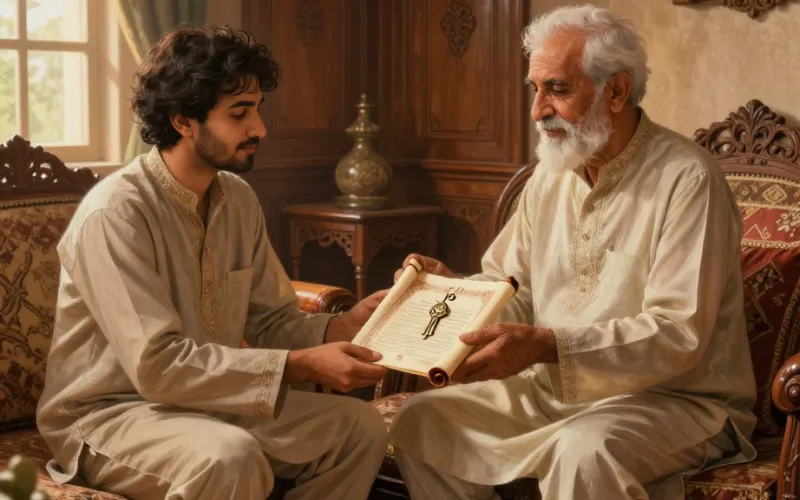
Hiba is an Islamic concept of gifting property during one’s lifetime. It is widely practiced in Pakistan, particularly within families, because it aligns with Shariah principles and often involves minimal financial cost. However, Hiba is not just an emotional or verbal act; it carries legal conditions that must be fulfilled.
Under Islamic law, a valid Hiba requires a clear declaration by the donor, acceptance by the donee, and immediate transfer of possession. If any of these elements is missing, the gift can be challenged later. This is why Hiba, when used for immovable property, must be supported by mutation in land records to avoid future disputes.
What Is Tamleek and When Is It Preferred?
Tamleek refers to a formal, documented transfer of ownership through legal instruments such as a registered gift deed. Unlike Hiba, Tamleek relies more heavily on civil law documentation rather than religious conditions. It is commonly used in urban properties, joint ownership cases, and situations involving overseas Pakistanis.
Tamleek is often preferred when clarity, documentation strength, and future resale are priorities. Although it may involve slightly higher costs, it provides strong legal protection, especially when relationships change or disputes arise.
Key Difference Between Hiba and Tamleek Explained Simply
The difference between Hiba and Tamleek is not about right or wrong, but about context and security. Hiba is rooted in Islamic law and emphasizes intention and possession, while Tamleek is rooted in statutory law and emphasizes written documentation.
In practical terms:
- Hiba relies on declaration, acceptance, and possession
- Tamleek relies on registered documents
- Both require mutation to be legally effective
Understanding this difference helps families choose the method that best suits their situation.
Why Mutation Is Essential After Gifting Property
Many people believe that once a gift is made within the family, there is no need to involve land records. This misconception causes serious legal problems later. Mutation is essential because courts, banks, and government departments rely on official land records, not verbal claims.
Without mutation, the gifted property may still be treated as part of the donor’s estate. This can expose the donee to inheritance claims, tax complications, and even eviction risks. Mutation provides legal certainty and peace of mind.
Step-by-Step Gift Deed Mutation Process in Pakistan
The mutation process is administrative but must be handled carefully. While procedures vary slightly across provinces, the core steps remain the same.
First, all relevant documents must be prepared, including ownership records, CNICs, and a gift deed or affidavit. Both donor and donee must appear before the land authority, along with witnesses, to confirm the transaction.
After submission, revenue officials verify the ownership, consent, and absence of disputes. Once satisfied, the mutation is approved by the authorized officer, and the land record is updated accordingly.
Key things to remember during this process include:
- Presence of both parties is essential
- Witnesses strengthen legal validity
- Any objection can delay approval
Costs, Stamp Duty, and Taxes on Gift Deed Mutation
One of the major advantages of gift deed mutation in Pakistan is its cost-effectiveness, especially among blood relatives. In many cases, stamp duty is minimal or completely exempt. Capital gains tax is generally not applicable on genuine gifts.
However, incorrect classification or poor documentation can trigger unnecessary fees or legal scrutiny. Consulting revenue rules beforehand helps avoid these issues.
Who Can Gift Property Through Hiba or Tamleek?
Not every gift is legally valid. The donor must be a lawful owner, mentally sound, and acting without pressure. Similarly, the one must accept the gift willingly.
Property can be gifted to children, spouses, parents, or even non-relatives. However, gifts made under coercion, during serious illness without proper safeguards, or without possession transfer are vulnerable to legal challenges.

Can a Gift Be Cancelled After Mutation?
This is one of the most frequently asked questions. Under Islamic law, a father may revoke a gift to his child under certain conditions, but most other gifts are irrevocable once possession is transferred.
Under civil law, registered gift deeds are extremely difficult to cancel. Courts require strong proof of fraud, misrepresentation, or coercion. This makes it essential to think carefully before executing a gift deed mutation.
Common Mistakes That Create Future Disputes
Most property disputes related to gifts arise from procedural negligence rather than bad intentions. People often rely on verbal promises, skip mutation, or fail to transfer possession properly.
Typical mistakes include:
- No mutation after gifting
- Lack of witnesses
- Unclear possession transfer
- Incorrect legal terminology
Avoiding these errors significantly strengthens the gift’s legal standing.
Gift Deed Mutation vs Inheritance: A Practical Comparison
Inheritance transfers property after death, often involving multiple heirs and lengthy legal procedures. Gift deed mutation, on the other hand, allows property distribution during one’s lifetime with clarity and control.
Families who choose gifting often experience fewer disputes, faster ownership transfer, and better planning. This makes gift deed mutation a proactive solution rather than a reactive one.
Real-Life Insight: Why Proper Mutation Matters
Consider a case where a father verbally gifts land to his daughter but never mutates it. After his death, other heirs contest the gift. Without mutation, courts rely on land records, not intentions, and the daughter may lose ownership.
This scenario is common,and completely avoidable with proper mutation.
Final Thoughts: Secure Your Gift Legally and Peacefully
Gift Deed Mutation (Hiba or Tamleek) is not just paperwork; it is a legal shield that protects families from future conflict. Whether you choose Islamic Hiba or formal Tamleek, mutation is the step that completes the gift.
